
I was excited to unbox the Pixel 10 Pro last week, especially as the defective screen on my Pixel 7 was detaching for the third time. I was eager to try out the new-to-me triple camera setup, which I think lived up to expectations based on some of the photos I took Saturday at the Eccles 2002 Olympic Winter Games Museum at the Utah Olympic Park in Park City.


I shot these photos through glass-covered display cases, which can reflect some pretty nasty glare. I thought I was using the 5x telephoto lens but it appears I was using the main lens. However, the main camera allowed me to get close to the medals, pins and other objects while allowing me to find angles to downplay the glare.
On my old phone, I used the heck out of the 2x zoom feature (which simply cropped in on a 1x photo without any further digital manipulation). I’m looking forward to getting tighter action shots with the 5x telephoto lens.
I’m not likely to use another feature that Google touted for the new Pixel 10 Pro — the Pro Zoom feature, which promises photos up to 100x zoom. This feature supposedly works because Google sends the raw image through its AI to extrapolate and enhance the image.
My initial finding is that this feature is half-baked and more likely to replace a blurry, grainy image with a simulated nightmare reminiscent of computer-generated images from at least a decade ago. Even worse, the feature tries to substitute imagery that the algorithm supposes is there, but it introduces fake and misleading information. For example, when I tested the feature at Best Buy, the Pro Zoom feature was able to sharpen a brand name on a distant box, but introduced literal Greeking in place of smaller text it couldn’t fully scan.
Coming back from curling on Saturday, I was drawn into the parking lot of Kearns High School with its view of the Salt Lake Valley from the west. I wanted to see how much the Pixel 10 Pro’s cameras could push into downtown Salt Lake City over 10 miles away.
I started with the wideangle lens and the 1x zoom on the main camera, but they don’t show too much detail of the distant urban core. I saw better results with the 2x zoom and the telephoto lens at 5x.
Even at 2x zoom, downtown looked too distant. The 5x lens definitely added a lot of detail and might be usable with some additional cropping.
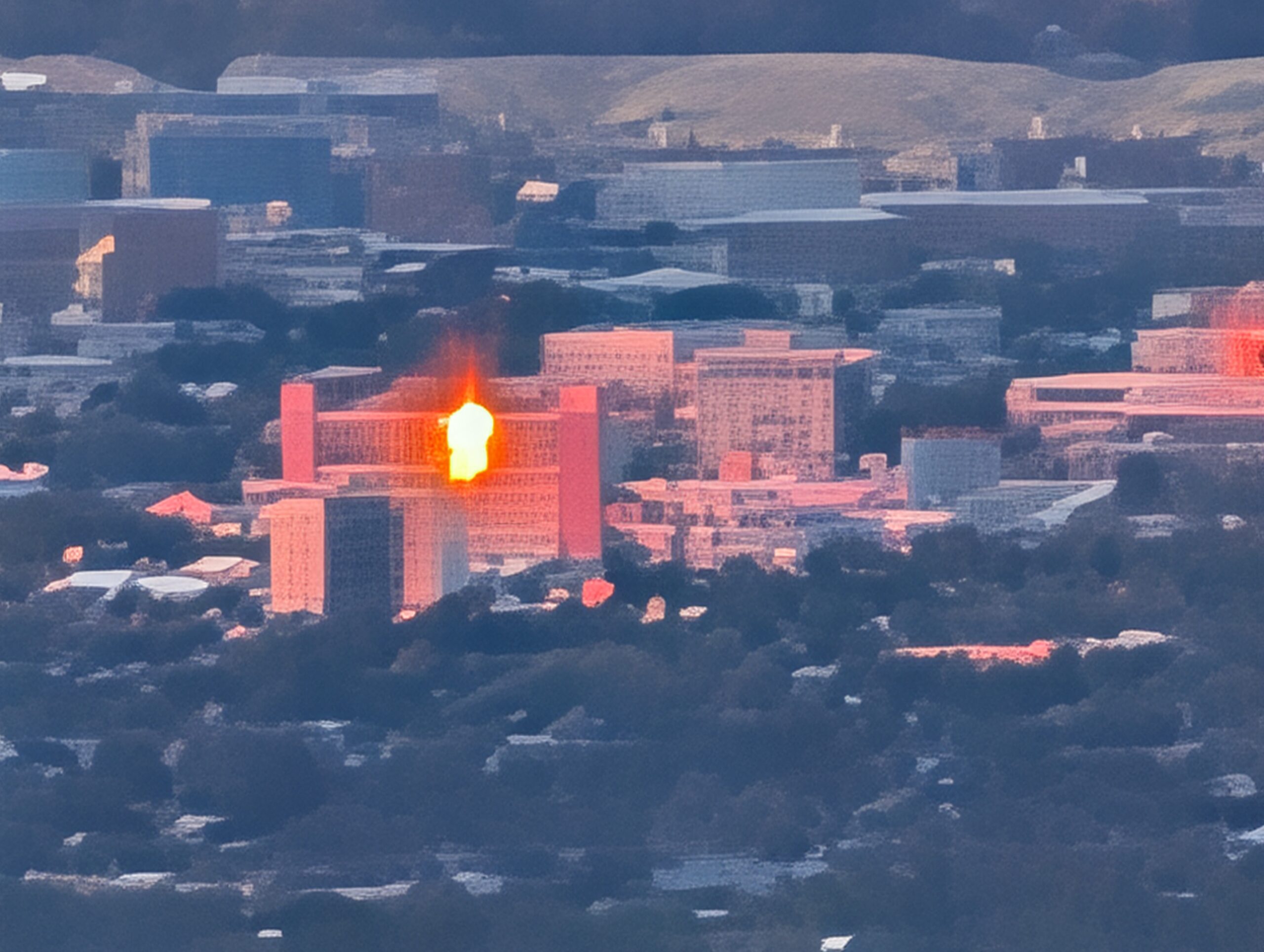
Things got dicier when I pushed the digital zoom on the 5x lens and Google added what should be AI magic. The image at the beginning of this post is at about 50x. It’s a little blurry with some computer artifacts, but most landmarks are still recognizable. It does appear that Google’s AI replaced part of the rotunda dome atop the Capitol with the foothills behind it.
I kept pushing in, up to 100x, as I tried to make out the Salt Lake Temple in the heart of downtown.
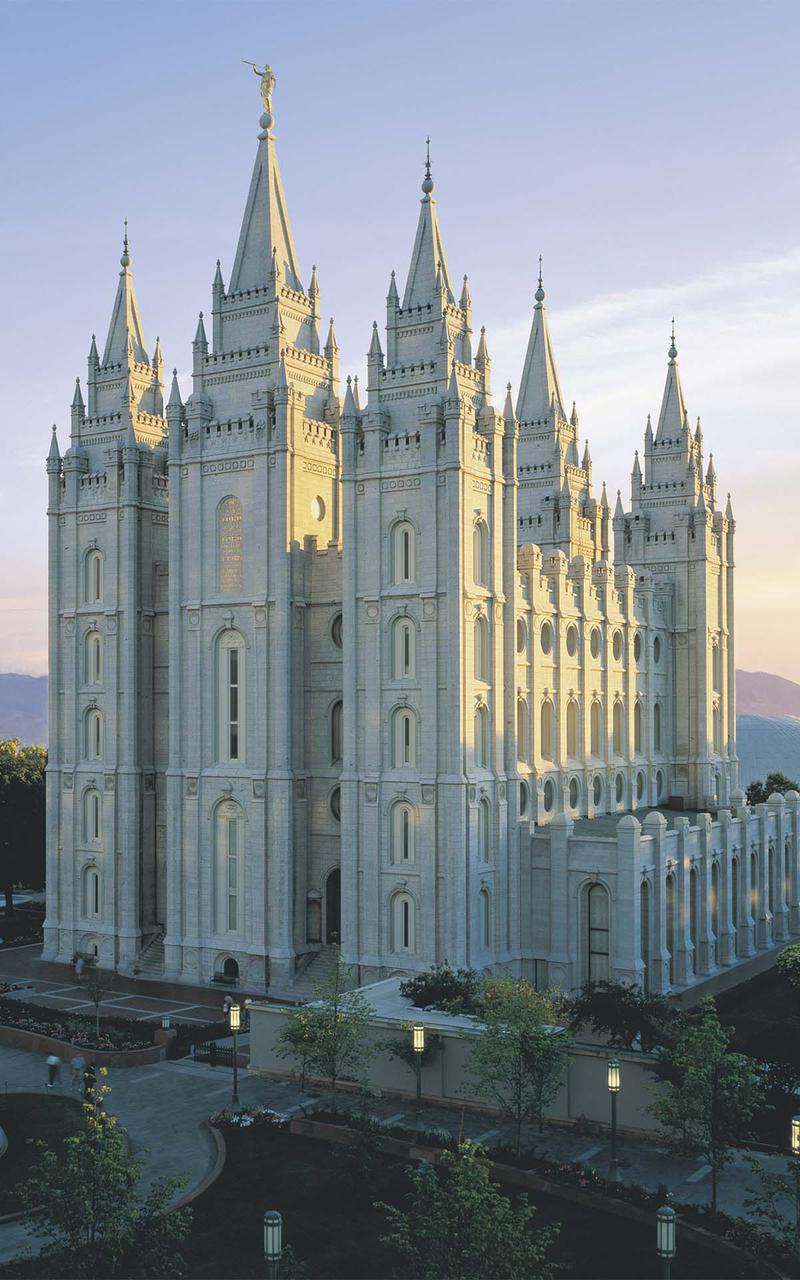
For reference, this is a photo from The Church of Jesus Christ of Latter-day Saints showing what the temple looks like.
Google took the raw image, ran it through AI and came up with … something not even close to the Salt Lake Temple —

This is a mess and epitomizes the phrase “AI slop.” The spires in the center of the image look more like poorly rendered Buddhist temples from Asia. The overall effect of the zoomed-in image feels like image textures applied to 3D objects in older computer games, like SimCity 4.
I also tried to zoom in on what I thought was Rice-Eccles Stadium at the University of Utah. The result did _not_ look like a stadium, but rather some low-slung buildings took the place of stadium seats behind the building’s main facade. To be fair, the angle from Kearns made it a little tricky make out the stands.
I’ve been ambivalent about digital zoom on cameras and phones for years as it can’t add information beyond what the camera sensor captures. Over the years, companies like Google have used computational computing to enhance images (although part of this tech often merges multiple, slightly different versions of an image to come up with an ideal overall photo).
While mere digital zoom can’t add info, Google and other companies are attempting to use AI to filling in missing details but the initial results leave much to be desired.
Every time there is a major technological advance, there is often a debate on how to maintain journalistic ethics. For example, how much can one use Photoshop on an image while maintaining its authenticity? Some image toning is generally OK, but cutting out a subject and placing it over another background would be a no-no unless it clearly looks like an illustration and is clearly labeled.
The ability to use what we call AI to spin images and videos out of whole cloth has sparked new debates. However, I don’t see a debate for now with Pro Zoom or similar tech — these poorly generated images bear little semblance to reality and should not be used in news reporting or at all.
That might change with future advances, but Pro Zoom doesn’t appear to be anywhere close to being usable for now.